100 Albums (100)

Joe Brockmeier

"Skylarking" by XTC (No. 1)
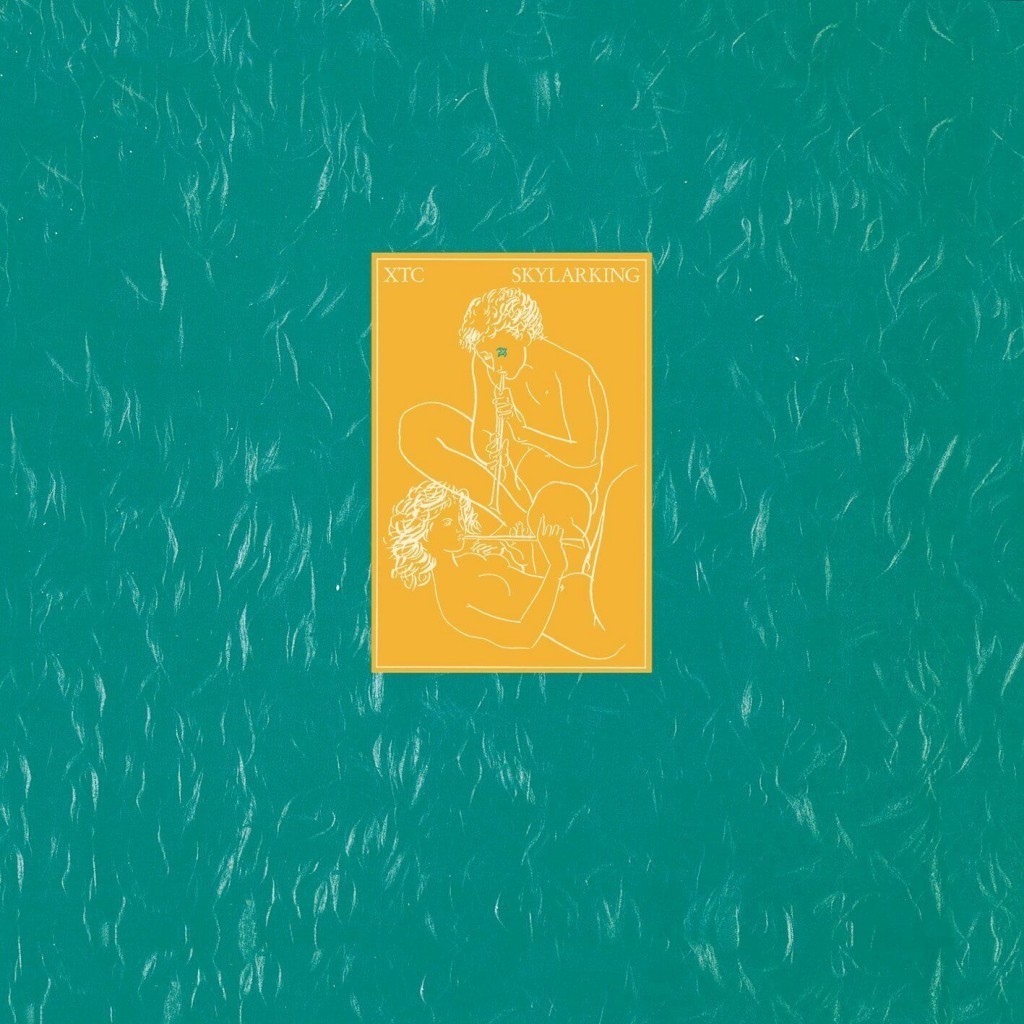
I'm not saying that Skylarking is the best album in the history of the universe, but I'm not not saying it either. Certainly it's the finest album XTC have produced.

I know precisely when my love affair with XTC began, it was May 3rd, 1987 when MTV played the world premiere of "Dear God" on 120 Minutes. While not on the original pressings of Skylarking, Geffen slapped it on the US version and omitted "Mermaid Smiled" to make room.

Once I finally got my hands on a copy of the cassette, I played it as much as possible – it's a miracle that the cassette lasted until I made the switch to CDs and was able to retire the poor thing.

Continue reading...
Joe Brockmeier

"Abbey Road" by The Beatles (No. 2)

"Abbey Road" album cover
Abbey Road is more or less The Beatles' final album1, and it contains some of the group's strongest work – especially George Harrison, who finally gets his day in the sun.

I'm not sure when I got my first copy of Abbey Road. Might have been high school, or it might have been the first release of The Beatles' catalog on CD. This was back in the dark, pre-Internet, ages when knowing exactly what the "official" Beatles releases were was non-trivial.

The vast majority of Abbey Road was in heavy rotation on the local classic rock stations all through my formative years, of course, but it's best appreciated in its entirety.

Continue reading...
Joe Brockmeier

"Help!" by The Beatles (No. 3)

"Help!" album cover (Parlophone version)
Here's where it all began, my lifelong obsession with music. Technically, it was the movie Help! that helped turn me into a music junkie, but we'll go with the album here.

Here's how it all started. When I was seven, I came home from Sunday school (yes, really) and turned on the TV. There was usually a movie playing on the local non-network affliate channel around Noon on Sundays, and on one day I cranked the TV just in time to catch Help!.

If you've seen the movie, you know it starts with an attempted human sacrifice that fails because the victim isn't wearing the sacrificial ring. Where's the ring? Cut to a shot of Ringo Starr's hand while he's playing the drums as The Beatles play "Help!"

Continue reading...
Joe Brockmeier

"Disintegration" by The Cure (No. 4)

"Disintegration" album cover
Disintegration is the album that really sold me on The Cure. Yes, I know, I was a bit late to the party.

Some of the singles off Kiss Me, Kiss Me, Kiss Me were too good to ignore, but I wasn't a big fan of Robert Smith's voice initially. And then Disintegration came out, with "Fascination Street" released as the first U.S. single. I was hooked, no two ways about it.

Where Kiss Me, Kiss Me, Kiss Me was warm and open, Disintegration is the album that launched a thousand Shoegazer bands. "Plainsong" opens the album with a slow, majestic swell of synthesizers and drums. It's almost funereal, but also entrancing. Two and half minutes into "Plainsong" pass before Smith's vocals begin, and he's talking softly and calmly.

Continue reading...
Joe Brockmeier

"A Night at the Opera" by Queen (No. 5)

"A Night at the Opera" album cover
A Night at the Opera has some of Queen's best-known songs, including "Bohemian Rhapsody." But what if I told you that "Bohemian Rhapsody" isn't even the best song on A Night at the Opera, or at least not the most epic?

A Night at the Opera has Queen trying on a number of musical styles, sometimes several in the same song. The 1975 release has a proto-power ballad, ragtime, quasi-operatic epics, Dixieland, and (of course) straight-up rock 'n roll.

It's worth noting that everybody gets some time in the spotlight here, with songs by Freddie Mercury, Brian May, Roger Taylor, and John Deacon.

Continue reading...
Joe Brockmeier

"Lost in Space" by Aimee Mann (No. 6)

"Lost in Space" album cover
Fun fact, Aimee Mann is the only musical guest on Buffy to get a speaking part. That has not a lot to do with Lost in Space, except that two songs from the album are played during an episode. There's a little more to this album than an intersection with nerdom, though.

Lost in Space is, at least in my estimation, Mann's finest album to date. It's not as energetic as Bachelor No. 2 or Whatever, but it more than makes up for that in the melody department.

Lost in Space has a rich, full sound to it. Little wonder, as there's quite the cast of characters. Several songs feature a full compliment of strings, and more.

Continue reading...
Joe Brockmeier

"Element of Light" by Robyn Hitchcock and the Egyptians (No. 7)

"Element of Light" album cover
If Robyn Hitchcock hadn't gone into music, perhaps he'd have become a novelist like his father. His penchant for storytelling shows through heavily in Element of Light.

Hitchcock has a pretty solid catalog of music as a solo artist, with his backing bands The Egyptians and The Venus 3, and (of course) with The Soft Boys. It took a lot of mulling before I decided on the ones that would make the top 100, and two things put Element of Light at the top of the stack – the music (obviously) and the stories.

Musically, Element of Light features some of my favorite Hitchcock compositions (and that's saying quite a lot). But Element clearly features some of the most developed stories in his songs.

Continue reading...
Joe Brockmeier

"Rubber Soul" by The Beatles (No. 8)

"Rubber Soul" album cover
Famed Rock critic Robert Christgau called Rubber Soul "when The Beatles began to go arty." Reductive, perhaps, but also true.

Rubber Soul is not as adventurous as Sgt. Pepper or The Beatles, but it brings in elements that the band couldn't reproduce on stage. And it also deals with some more mature themes than previous Beatles albums, albeit obliquely.

The album doesn't jump right in to experimental tunes, though. "Drive My Car" is standard issue Beatle-y goodness that would have been right at home on Help! or Hard Day's Night. It's catchy, fun, and straight to the point.

Continue reading...
Joe Brockmeier

"New Adventures in Hi-Fi" by R.E.M. (No. 9)

"New Adventures in Hi-Fi" album cover
I had low expectations for New Adventures in Hi-Fi after Monster, but R.E.M. blew it out of the water with this one.

From 1983 to 1992, R.E.M. had an unbroken string of fantastic albums, at least by my reckoning. (No pun intended.) To that point, Document was the high-water mark for me, but I had zero disappointment in Green, Out of Time, or Automatic for the People. (I even like "Shiny Happy People" non-ironically. At least I think I like it non-ironically. Who can tell, these days?)

And then Monster. I slogged through a few listens to Monster and then put it aside, disappointed. It seemed R.E.M. and I had gone separate ways. And then New Adventures came out, and all was well with the world.

Continue reading...
Joe Brockmeier

"Strangeways, Here We Come" by The Smiths (No. 10)

The final album by The Smiths, S

"Strangeways, Here we Come" by the Smiths (album cover)
trangeways Here We Come is a fitting close to a brief but brilliant career.

The Smiths' star shone brightly and burned out quickly, but they were prolific as Hell for the brief time they were together. Strangeways is their fourth and final album, released in 1987. That's four albums in five years, a live album the year after they broke up, and a slew of singles and b-sides, besides.

Let me tell you a little secret – there's not a bad one in the bunch. No bad albums, no lousy singles, and even the b-sides are good. (Especially, "How Soon Is Now?", which isn't featured on any of the original LPs.) But Strangeways is especially good.

Continue reading...
Joe Brockmeier

"Safe Travels" by Jukebox the Ghost (No. 11)

"Safe Travels" album cover
Jukebox the Ghost set the bar high with their debut album Live and Let Ghosts, and their follow-up Everything Under the Sun. With Safe Travels they completely clear the bar, and then some.

Jukebox the Ghost is a relative newcomer on the music scene, especially compared with a lot of bands on this list. Their first studio album was released in 2008, and they've been a frenzy of touring and recording since. A three piece outfit, JtG features a drummer, keyboardist, and guitarist/bassist. Ben Thornewill (keyboards) and Tommy Siegel (guitar/bass) trade off on vocal duties, and drummer Jesse Kristin mostly sticks to the sticks.

JtG is indie / power pop at its finest. They've absorbed more than 50 years of rock and pop influences and have taken it and brought something new to the table.

Continue reading...
Joe Brockmeier

"Bloodletting" by Concrete Blonde (No. 12)

Album cover: Bloodletting
Bloodletting gets tagged with the "gothic rock" genre, which is a bit unfair to Concrete Blonde. Sure, it's got a wee bit of goth about it, but it's not all gloom and doom lyrically or musically.

In fact, Bloodletting is every bit as energetic and rock & roll as Free, or their first (self-titled) album. Bloodletting features Concrete Blonde as a three piece – Johnette Napolitano on vocals and bass, James Mankey on guitar, and Roxy Music's Paul Thompson on drums.

Continue reading...
Joe Brockmeier

"Who's Next" by The Who (No. 13)

Album cover "Who's Next" by The Who
On Tommy The Who sought to stretch beyond the confines of single songs to a cohesive, two-album work. With Who's Next, The Who deliver nine incredible specimens of classic rock and roll.

From the first notes of the primitive A.R.P. synthesizer on "Baba O'Riley" to the final flourish of "Won't Get Fooled Again," Who's Next is a monument to The Who's sheer brilliance. If it's not a perfect album, it's so close that any deficiencies aren't worth discussing.

Continue reading...
Joe Brockmeier

"The Future" by Leonard Cohen (No. 14)

Album cover: The Future by Leonard Cohen
The Future is currently my favorite album by Leonard Cohen, and some of his darkest material.

Coming four years after I'm Your Man, The Future finds Cohen even less optimistic and just as hoarse. That's OK, he has a choir of angels to back him – or, at least, it sounds that way.

If you've seen Natural Born Killers, several songs off The Future are going to sound familiar. (If you've seen the movie, you know that the soundtrack is really the best thing about the movie…)

Continue reading...
Joe Brockmeier

"Speak for Yourself" by Imogen Heap (No. 15)

Speak for Yourself album cover
After developing an addiction to Frou Frou, it's not much of a surprise that I'd branch out to Imogen Heap immediately. Her second solo album, 2005's Speak for Yourself is everything I enjoyed about Frou Frou and then some.

There's not a huge difference in overall sound between Frou Frou and Heap's solo work. Not surprising since Heap's voice is sort of distinctive, likewise her songwriting.

Continue reading...
Joe Brockmeier

"Broken" by Nine Inch Nails (No. 16)

Just how loud and angry can an album be, without devolving into noise? With Broken Nine Inch Nails tells us, pretty fucking loud and angry. The follow up to Pretty Hate Machine, Broken is an EP that barely clocks in over 30 minutes. Less, if you don't count the "bonus" songs that shipped on a 3-inch mini-CD with the first pressings of Broken. The proper EP is only six songs, two of which are short-ish…

Continue reading...
Joe Brockmeier

"Hypocrisy is the Greatest Luxury" by Disposable Heroes of Hiphoprisy (No. 17)

The Disposable Heroes Of Hiphoprisy ‎– Hypocrisy Is The Greatest Luxury cover
True to their name, The Disposable Heroes of Hiphoprisy were one and done. They left behind one album, Hypocrisy is the Greatest Luxury, a damning cultural critique of U.S. culture over a unique synthesis of hip hop, industrial, jazz poetry, and punk.

My only beef with the Heroes is that they only stuck around for one album1. Michael Franti has gone on to do Spearhead and solo albums, Charlie Hunter went on to do jazz, and Rono Tse seems to have disappeared entirely. Perhaps they said all they needed to say on Hypocrisy.

They said a lot on this album. They cover censorship, compromises of fame, the Gulf War (the first one), television, immigration, and much more. And Franti doesn't just turn the critical gaze outward, he also looks at some of his own flaws as well.

Continue reading...
Joe Brockmeier

"Whatever" by Aimee Mann (No. 18)

Album cover for "Whatever" by Aimee Mann
A word of caution before listening to Aimee Mann's Whatever – it may very well cause you to recalibrate your standards for songwriting. If you're setting your standards by this album, it's almost unfair to most other bands. Almost.

Released in 1993, Whatever was Mann's first solo album – but certainly not her first time to take a hand at songwriting. Mann recorded three studio LPs with 'Til Tuesday, and an EP with her first band The Young Snakes.

Continue reading...
Joe Brockmeier

"Document" by R.E.M. (No. 19)

Album cover: Document by R.E.M.
For Document R.E.M. picked up a much harder edge than previous albums. Sure, Life's Rich Pageant dabbled a bit with more aggressive guitar, but Document has a much harsher sound throughout. And it sounds so, so good.

Document practically kicks you in the face with the opening track, "Finest Worksong." A whip-crack snare and then Peter Buck is off to the races with an almost metal guitar intro that sets the rhythm.

There's more than a little The Who influence here. And Michael Stipe's voice, once again, is crisp and clear at the forefront. This is, by the way, true to its title. If "Finest Worksong" doesn't motivate you to get shit done, seek medical care.

Continue reading...
Joe Brockmeier

"Kiss Me, Kiss Me, Kiss Me" by The Cure (No. 20)

"Kiss Me Kiss Me Kiss Me " album cover by The Cure
Most of The Cure's albums are outstanding, but Kiss Me, Kiss Me, Kiss Me is simply magical. Kiss Me, Kiss Me, Kiss Me shows The Cure delivering perfect, joyful pop right alongside languid and extended jams that don't give a damn about radio play.

I have to be honest, I was a bit put off by Robert Smith's voice at first. Almost despite myself, I loved some of the singles off this album, but I initially found his delivery just a little off-putting. It eventually grew on me, but that's a story for later.

Even so, I couldn't deny the strength of the singles from Kiss Me.

Continue reading...
Joe Brockmeier

"Queen Elvis" by Robyn Hitchcock 'n' The Egyptians (No. 21)

Album cover: "Queen Elvis" by Robyn Hitchcock & The Egyptians
Watching "alternative" bands like The Cure, R.E.M., and U2 punch through to mainstream success, I had high hopes that Robyn Hitchcock would break through with Queen Elvis.

Released in March 1989, Hitchcock was opening for R.E.M. on the Green tour. Queen Elvis, by Robyn Hitchcock 'n the Egyptians, was on a major label and they were putting money into videos for MTV. It seemed to me that the rest of the world would surely notice what they'd been missing so far.

By rights, Queen Elvis should have garnered more attention than it did. Musically, it's phenomenal, and it's one of Hitchcock's most accessible (read: there are no songs about "furry green atom bowls," or men with lightbulb heads) albums.

Continue reading...
Joe Brockmeier

"The Wall" by Pink Floyd (No. 22)

Album cover: "The Wall" by Pink Floyd
The Who's Tommy pioneered the "rock opera." Pink Floyd perfected it with The Wall.

Like Tommy, The Wall is a sprawling two-album work. Running more than 80 minutes, The Wall covers a lot of musical ground – ballads, pseudo-opera, rock, and even dabbles in disco. The Wall is Pink Floyd's, or at least Roger Waters', magnum opus.

Since The Wall came out when I was nine years old, it's hard to remember a world before it existed. It's just always been part of the classic rock canon, right? Even though it was ever-present on the radio, at least snippets of it, it wasn't until I was well into high school that I got a copy of the full album. And then I listened to The Wall over and over again.

Continue reading...
Joe Brockmeier

"The Joshua Tree" by U2 (No. 23)

U2 "The Joshua Tree" album cover
It's a little daunting to try to find something original to say about an album like The Joshua Tree. Released in 1987, The Joshua Tree sold something like 25 million copies, While it's no Rumors or Thriller, The Joshua Tree has been rather thoroughly reviewed many times over.

I was aware of U2 before The Joshua Tree, but I couldn't say that I was a major fan of the band. But when The Joshua Tree came out in '87, it really couldn't be ignored. It was all over the radio, MTV, and appealed to kids my age as well as aging boomers trying to keep up with current music. (Boomers who were probably younger than I am today, I might add. Sigh.)

Continue reading...
Joe Brockmeier

"The Game" by Queen (No. 24)

Queen "The Game" album cover
Queen's The Game will probably be best remembered for two things, "Another One Bites the Dust," and the first album from the band that featured the use of a synthesizer. I remember it best because my family had the album on 8-Track and I played it incessantly.

I'm not sure when we got a copy of The Game or whether it was my mother or father who brought it into the house. But I loved "Another One Bites the Dust" from the radio, and absorbed the entire album once I could play it at will. The "nice" thing about 8-Tracks compared to records was that they would play forever until you hit "stop." My parents might not have viewed this as a feature.

It was also a musical clue that I didn't quite understand at the time. On the cover of the tape it had a one-liner about this being Queen's first use of a synthesizer. I spent a lot of time trying to puzzle out the importance of this, but given that the band had used some of the very limited real estate on the cover to proclaim (or disclaim) this, it must have been important.

Continue reading...
Joe Brockmeier

"The End of Silence" by Rollins Band (No. 25)

Album cover: "The End of Silence" by the Rollins Band
The End of Silence is the kind of music that would make construction crews call about noise violations. If Spinal Tap turns it up to 11, then the Rollins Band takes it to 13. It's an abattoir for eardrums. What I'm saying, kids, is this is a loud one and in no way subtle.

Weight shows the Rollins Band as accessible as they get. The End of Silence is every bit as well-produced as Weight, but there are no compromises to a wide audience. You're in, or you're out. I'm in.

The End of Silence was my introduction to Henry Rollins and the Rollins Band. I might have run into Black Flag at some point before, but I don't specifically remember when. I first caught up with the Rollins Band with the video for "Low Self Opinion."

Continue reading...